
Preparing for a teaching career comes with one big question: Should you focus on CTET or your State TET? Almost every aspiring teacher faces this confusion. Both exams look similar, both promise government teaching opportunities, and both feel equally important. But when it comes to choosing the right path for your career, the difference becomes crucial.
This blog helps you understand that difference clearly. Instead of generic comparisons, you’ll see practical, job-focused insights, the kind that actually matter when you’re preparing, applying, or planning long-term. By the end, you’ll know exactly which exam aligns with your career goals, what each certificate unlocks, and how you can use them to maximise your chances of becoming a teacher.
Let’s break down the confusion and see which exam actually fits your career goals.

Quick Snapshot (What Each Certificate Gets You)
- CTET: National-level eligibility conducted by CBSE. Recognised across India and commonly required (or preferred) for recruiting teachers in central government schools (KVS, NVS), many central government-aided schools, and increasingly by private schools.
- State TET (STET): Conducted by each state or UT. Required for government school recruitment within that particular state. Rules like age, qualifications, reservation, and domicile vary by state.
Important factual note: The qualifying certificate for CTET and most State TETs has been changed from a limited term to lifetime validity following NCTE/MOE guidelines.
This means once you qualify, you don’t need to reappear just to keep your certificate valid.
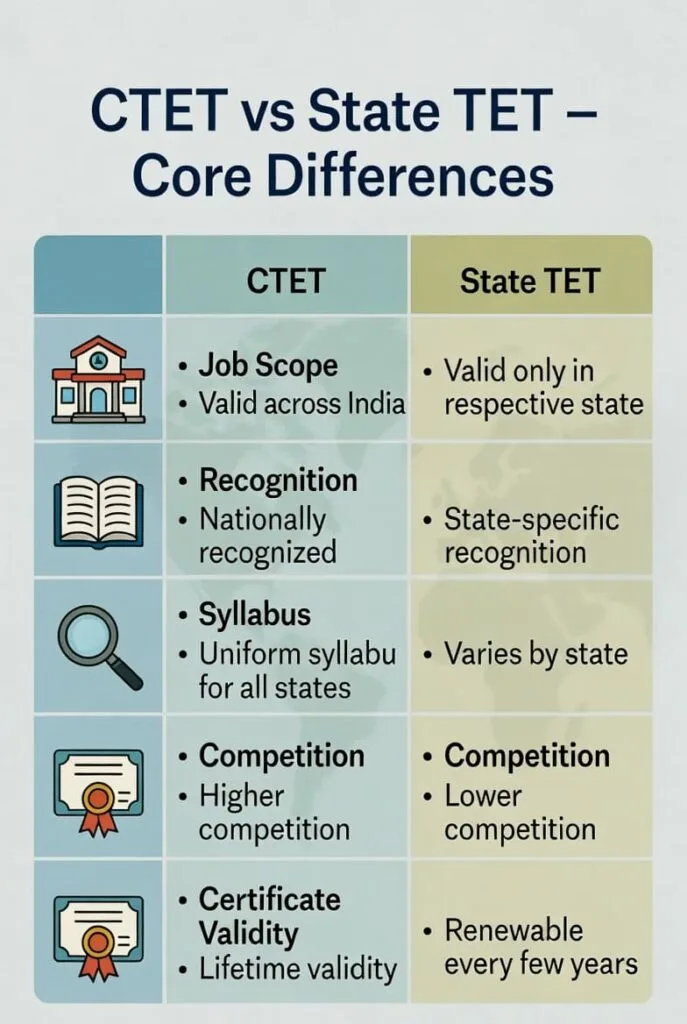
CTET vs State TET: Core Differences Explained
1. Scope of Jobs
- CTET: Better for roles in central schools (Kendriya Vidyalaya, Navodaya Vidyalaya, Central Govt aided) and gives credibility in private schools nationwide.
- State TET: Mandatory for state government school recruitment in that state. If you want a job with the state education department (permanent post, contractual jobs through state recruitment), STET is essential.
2. Eligibility & Rules
- Both exams test minimum teacher qualifications (B.Ed/D.El.Ed combinations, etc.), but states add their own eligibility nuances: domicile, reservation, age relaxations, and language preferences.
So if you’re targeting a state job, study that state’s notification carefully.
3. Syllabus & Difficulty
- Syllabus overlap is large (Child Development & Pedagogy, Language, Mathematics/Subject knowledge). CTET follows a national syllabus; State TETs often mirror CTET but add state-language and region-specific content.
Difficulty varies by paper and year; CTET is perceived as moderately competitive because of the nationwide applicants.
4. Recognition
- CTET is recognised nationally; State TET is state-specific. Some states accept CTET for their recruitment, others prefer or mandate State TET. Always read the recruitment notification.
5. Frequency & Accessibility
- CTET is held a few times a year (as per CBSE schedule). State TET schedules vary; some states run it annually, others less frequently. This affects how soon you can take the test and apply for posts.
Which exam should I focus on first: CTET or State TET?
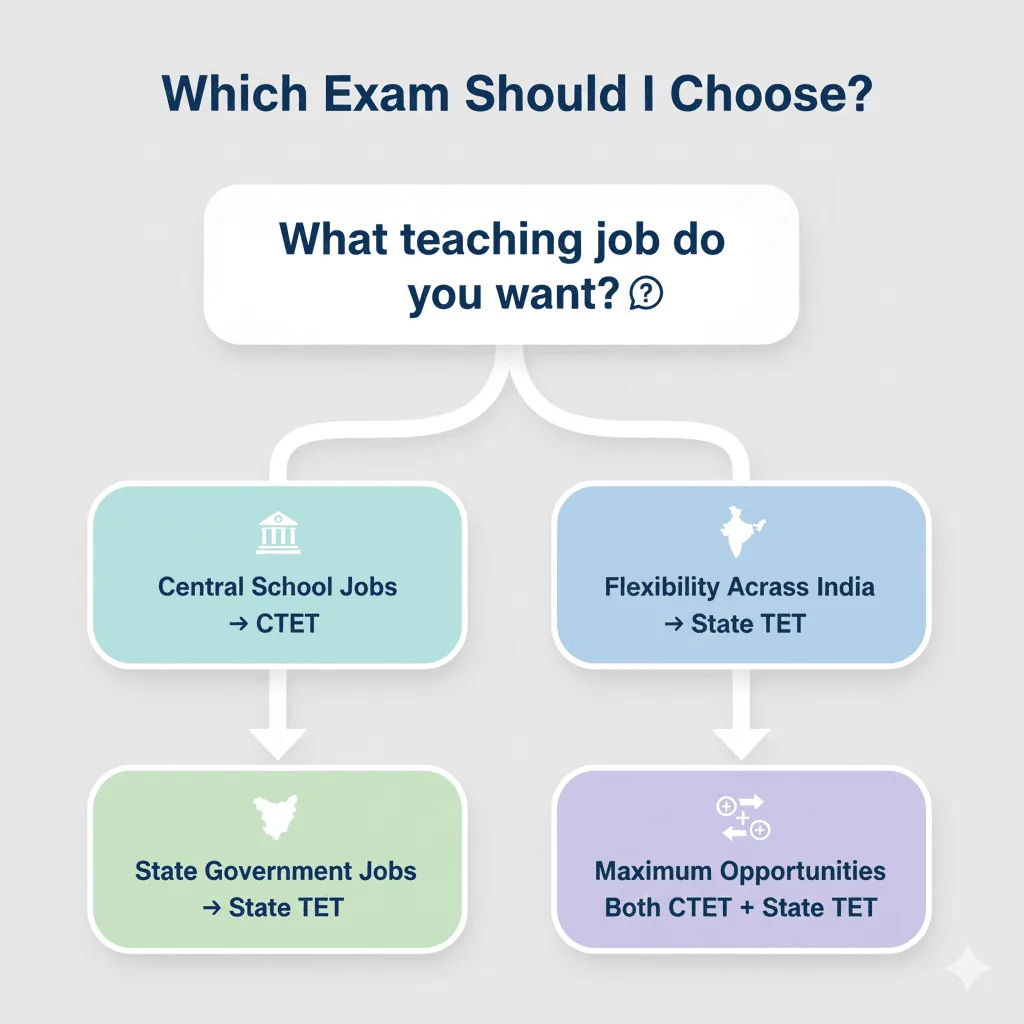
It depends on your career goals. If you're targeting central schools like KVS or NVS, CTET should be your priority. If you’re aiming for a government school job in your home state, State TET is essential. Ideally, starting with CTET prep can give you broader flexibility, and then you can add state-specific topics for the State TET.
What are the main differences in the syllabus for CTET and State TET?
The syllabus for both exams overlaps in areas like Child Development, Pedagogy, and Subject Knowledge. However, State TET includes state-specific language, regional content, and local rules. CTET has a more generalized national-level syllabus, which is less focused on regional details.
Is CTET recognized by state governments?
Yes, many state governments accept CTET as valid for teacher recruitment, but not all. Some states prefer their own State TET for eligibility. Always check the specific state’s recruitment notification to confirm which exam they recognize for teacher appointments.
Will clearing both CTET and State TET guarantee me a teaching job?
While qualifying either CTET or State TET gives you the eligibility to apply for teaching jobs, securing a job still depends on factors like vacancy availability, interview performance, and other selection criteria. Having both certificates definitely broadens your job prospects, though.
Pros & Cons: CTET vs State TET
| Feature | CTET | State TET |
| Job reach | National/central schools / many private schools | State government schools (only within the state) |
| Certificate validity | Lifetime | Lifetime (most states) |
| Advantage if you want a central school job | High | Low |
| Advantage if you want a state govt job | Moderate (some states accept) | High (mandatory in many states) |
| Language/region content | Less regional, more national | Includes state language and local rules |
| Competition | Very high (nationwide) | High, but localised |
CTET or State TET: What’s Actually Right for You?
If you want a central school job (KVS/NVS) or flexibility across India:
- Prioritise CTET. It’s the credential that central employers look for.
- Also, check recruitment notifications for KVS/NVS; you may still need to apply and clear separate selection procedures.
If you want a state government school job in your home state:
- Take the State TET for that state first. Many state recruitments require it and give preference to state-domiciled candidates.
- If your state accepts CTET, too, having both is ideal.
If you’re undecided or want to maximise opportunities:
- Do both: Start with CTET prep (broad national syllabus), then quickly add state-specific topics and language for State TET.
- Because certificates are lifetime, passing either exam increases your long-term options.
Winning Strategy: How to Prepare for CTET & State TET Effectively
- Pick your target first: central posts or state posts? That decides priority.
- Gather official notifications:
- CTET: ctet.nic.in;
- State TET: state education/PSC websites. Read the eligibility and paper pattern.
- Make a 12-week study plan:
- Weeks 1–4: Child Development & Pedagogy + Languages (reading+practice).
- Weeks 5–8: Subject knowledge (Maths, EVS, Social Science or language comp.).
- Weeks 9–10: State-specific syllabus & language (if doing state TET).
- Weeks 11–12: Full-length mocks & revising errors.
- Practice previous years’ papers and timed mocks; test-taking speed matters.
- Focus on pedagogy: many candidates ignore this, but it’s scoring and common across CTET/STET.
| Important CTET Exam Links |
| CTET Notification |
| CTET Eligibility |
| CTET Exam Patter and Syllabus PDF |
| CTET PYQs PDF Download |
Final Thoughts: Short Checklist To Decide Now
- Want central or private-school flexibility? → CTET first.
- Want a state government teaching job? → State TET first.
- Want both options open? → Prepare CTET syllabus + add state language and rules; attempt both when schedules align.
Both certificates add value; CTET gives national credibility; State TET gives local eligibility. The safest, most future-proof choice is to clear at least one now and aim for the other later. That way, you’re always in the running for more job openings.
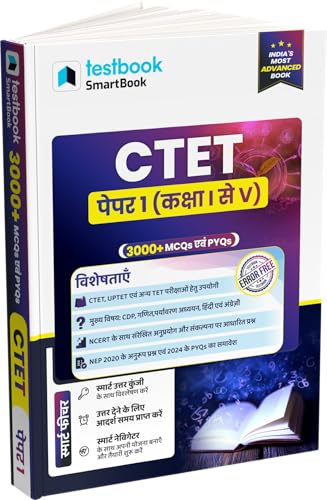
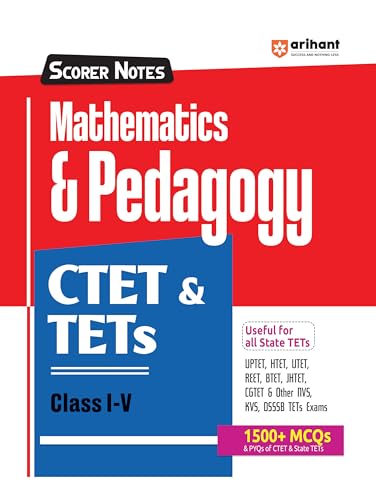
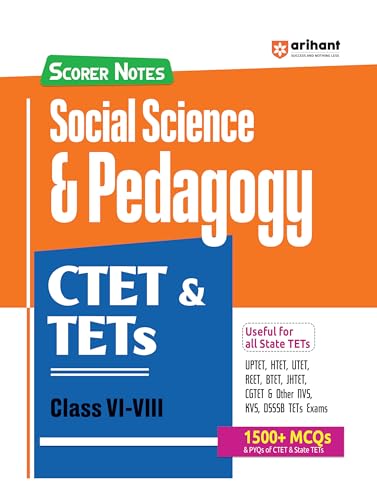
Recommended Books For CTET and State TET
Related posts:
 CTET Eligibility September 2026: Check Minimum Qualifications for Paper 1 & Paper 2
 CTET September 2026 Exam Pattern and Syllabus PDF Download (Paper 1 & Paper 2)
 CTET Previous Year Papers PDF with Solutions (2026-2018) – Free Download
 CTET Feb 2026 Required Documents + Photo/Signature Size
 Difference Between CTET Paper 1 vs Paper 2 – Which Should You Apply For?
 Does CTET Guarantee a Job? Complete Discussion
 CTET Feb 2026 Application Correction: Last Chance to Fix Application Mistakes
 CTET Feb 2026 Display of Answer Key and Scanned OMR Sheet